When a tree is removed and the stump is ground down, it leaves behind a space that many homeowners are eager to reclaim. Whether the tree was removed due to disease, safety concerns, or future plans for the yard, the area doesn’t always feel complete right away. Fortunately, with a bit of planning, this space can be transformed into something both beautiful and practical. In this article, we explore landscaping options after stump grinding, along with tips to make the most of your reclaimed space.
What Stump Grinding Actually Leaves Behind
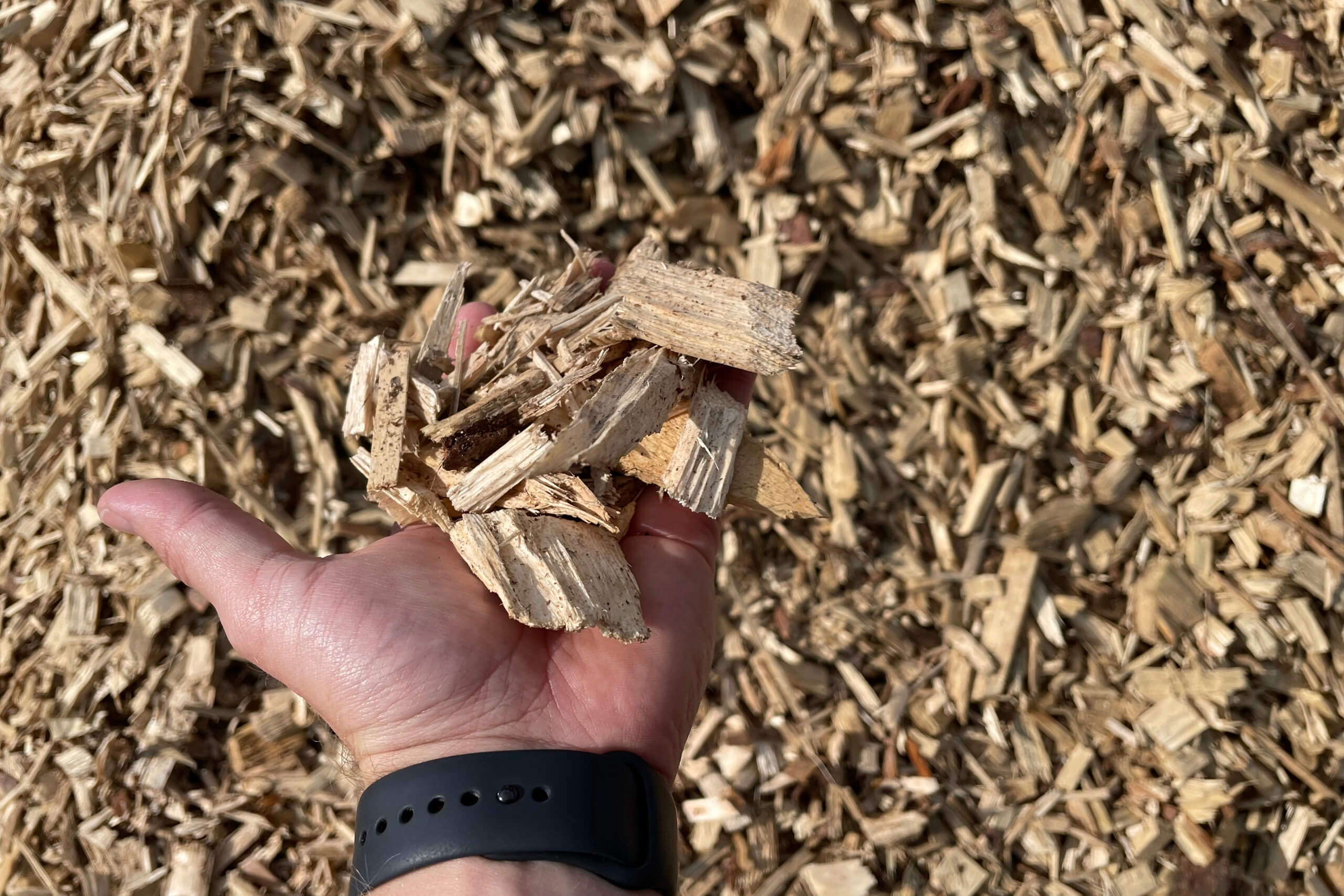
Stump grinding practices vary by contractor; some grind only a few inches below grade or leave the grindings on site. At Microbe Tree Service, we typically grind 8 to 12 inches below grade and can remove grindings on request. Small stumps are often ground out completely. However, even with the stump gone, some roots still remain and will decompose over time, so expect gradual settling for months to few years depending on stump size, species, and soil moisture.
As microbes break down grindings and roots, they temporarily immobilize nitrogen, which can stress plants, especially lawns. For best results, remove grindings before planting and top up with clean soil or compost; if installing a new tree, avoid placing it directly over decaying wood unless all woody material has been removed and backfilled. For permanent or weight-bearing features such as pavers or concrete, it’s best to wait until settlement has finished.

Can You Plant Where the Stump Was?
Yes, but it depends on what you plan to grow.
If you want to plant shallow-rooted flowers, grasses, or ground covers, you can usually do so after topping up the area with clean soil or installing a raised bed. For deeper-rooted plants, like trees or large shrubs, the original stump site can be problematic due to decomposing roots, poor drainage, and soil compaction.
If you choose to plant in the same spot:
- With small stumps, it may be possible to loosen the soil and plant shallow-rooted species nearby. For large stumps, it’s often more practical to plant a few feet away where the soil is easier to work and less obstructed by roots.
- Amend the soil with compost or topsoil to improve structure
- Monitor the area for settling over time
Landscaping Options After Stump Grinding
Once the space is prepped, there are several creative and practical ways to reuse it:
Replant Grass or Ground Cover
A clean, simple option that blends in with the rest of your yard. Add topsoil, seed or sod, and let it establish. Good for visibility and resale value.
Install a Garden Bed or Raised Planter
This is a great use of disturbed soil and is ideal if you don’t want to dig around remaining roots. Raised beds also allow for complete soil control.
Create a Natural Feature or Habitat
Consider planting native wildflowers or grasses that support pollinators and wildlife, a simple form of habitat work that can enhance your yard’s ecology.
Add a Decorative Hardscape or Seating Area
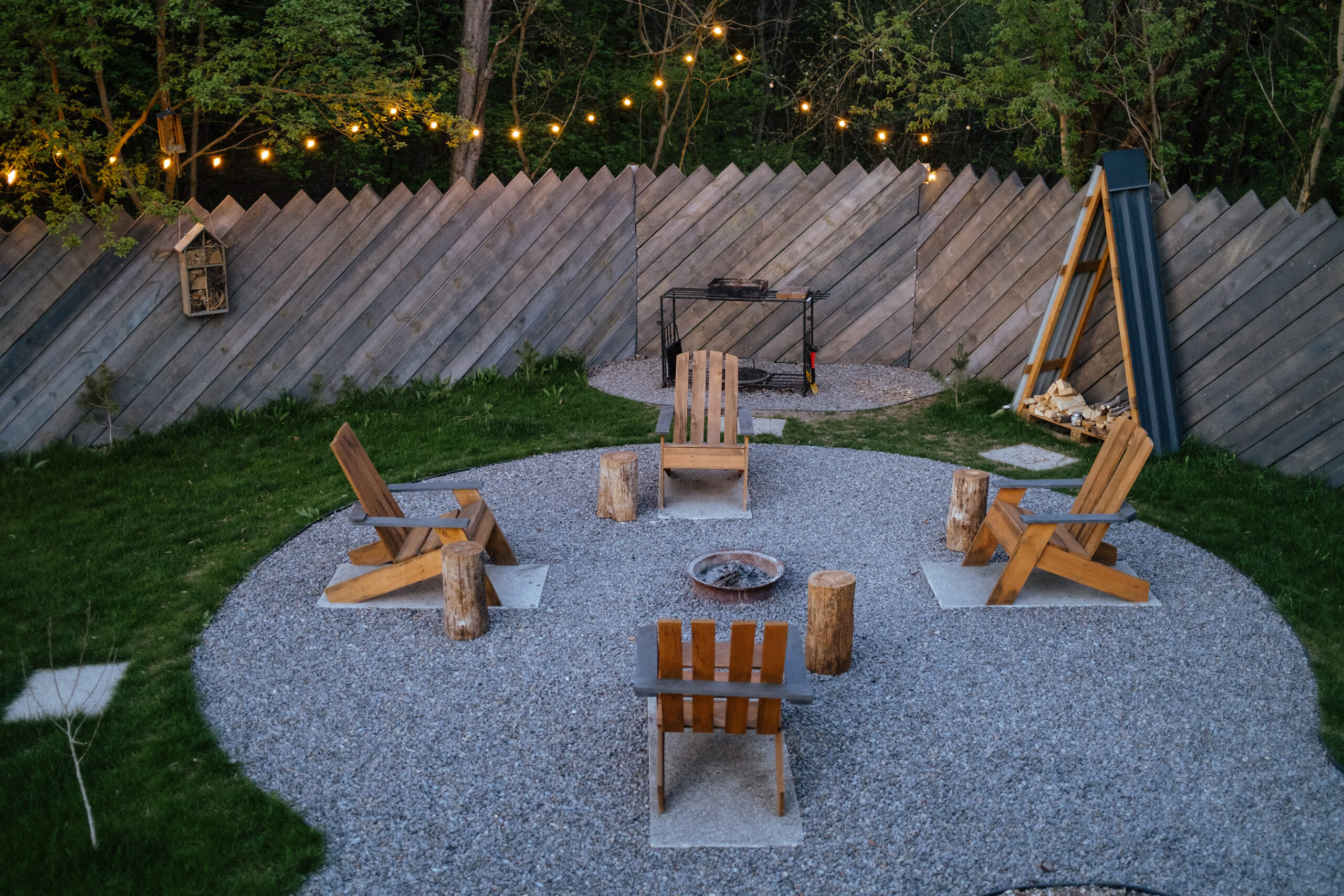
Gravel or loose stone is a flexible option that adapts to minor settling and works well for fire pits or informal seating. It can be topped up as the area settles, making it low-maintenance. Permanent pavers need a stable base and may sink if installed too soon, since root systems can extend far beyond the stump and cause uneven settling. For best results, keep permanent hardscape features well away from the stump site in stable, undisturbed soil.
Tips for a Successful Restoration
- Avoid planting deep-rooted trees or placing permanent structures directly over the old stump site
- Allow the soil to settle naturally before permanent hardscaping
- Top up with clean soil and compost for best planting results
- Expect some sinkage in the first few years, especially with large trees
Need Help With Planting or Habitat Design?
Microbe Tree Service offers native tree planting, habitat restoration features (like birdhouses and bat boxes), and can help you choose species that thrive in your yard. We’re happy to help you turn an old stump site into a new highlight of your landscape.
Conclusion
While stump grinding removes the visible reminder of a tree, it opens up new landscaping possibilities in your yard. With a little planning and care, that bare patch can become something functional, beautiful, and ecologically valuable.